Animals are amazing creatures that roam the Earth, a beautiful presence of life we often take for granted. We typically see them every day in the outdoors, and, at some point in our history on the planet, decided to bring them home and add them to our own families. By doing this, we have created room for a whole new type of relationship in our lives, one that is fulfilling to our hearts, minds, and souls — that between carer and pet. Here are a few ways in which being a pet owner can be therapeutic.
Pets Provide Therapeutic Companionship
Humans have bonded with animals for centuries, a relationship recorded as early as 8000 to 2500 B.C. when farming was invented. The connection was originally for more fundamental purposes, such as transportation, farm work, and protection, but has since evolved to us creating more intimate, emotional bonds with our furry friends.
We feel joy coming home after a long day of work when we get to see our buddy waiting at the door or near the window, glee seeing them play with a new toy, or pure adoration and fulfillment when they choose to curl up in our laps. Specifically, when we are physically close, we produce a hormone called oxytocin — better known as the “love drug.” This is passed between tactual contact and increases when we become more connected. Studies have shown that oxytocin levels tend to be higher in animal owners, and we feel even happier — likely due to all those cuddles!
Pets Keep us Engaged and Entertained
If you have ever explored the internet, you know that we’ve created an infinite library of videos that show off our animals in all their lovable, silly glory. We “aww” at the videos of the dogs and horses that are inseparable, we laugh at the cats trying to avoid that bathtub, and we probably have even more photos of our animals on social media than of our human family members!
We feel joy watching our creatures explore our house, get into mischief, and choose us to spend time with. Some people will dress up their animals for holidays. Celebrating animal birthdays or adoption “Gotcha Days” has become more common in households.
Pets Support Brain Growth
Although having a pet is fun, it does not come without its challenges. First time pet owners learn fast that each animal has their own personality and needs care different from another. In terms of how this can be good for us, we challenge our problem-solving skills by researching how to be good pet parents. We gain not only book smarts by learning about proper animal diets, animal behaviors, and training skills, but also gain wisdom with increased experience in practicing bonding, and patience.
Learning how to take care of exotic pets like koi fish, insects, reptiles, and sugar gliders also comes with a learning curve to create an ideal environment. Just as pets can learn from us, we as pet owners can grow as people by interacting with and caring for our animals.
Pets Enhance or Physical and Mental Wellness
For many animals, we increase our physical activity to meet their needs. Some dogs will want to go for a walk four times per day, and play even more often. Cats will want us to pull out wand toys to engage their hunting instincts. On the flip side, we have to pick up our animal’s droppings in the litter box, cage, or yard.
Physical activity is healthy for the mind just as it is for the body, and a little a day can improve your physical and mental health! Various research studies have identified that pet owners are less likely to suffer from , high blood pressure, and cholesterol concerns. A 2021 study by Lundgren, Robinson, and Segal reported that pet owners over the age of 65 make 30 percent fewer visits to their doctors than those without pets. By needing to be more physically active to take care of our pets, it indirectly helps our moods and health, getting exercise even during our busiest days.
Pets Improve our Emotional Wellbeing
Animals have been included in therapy since its birth, beginning with Sigmund Freud. He would use his Chow Chow, Jofi, during his sessions to help detect in his clients. We have since adopted therapy with horses, cats, dogs, lizards, birds, and even pigs! Taking care of these animals and feeling their calm presence allows us to mirror them and be more mindful and in the present. There was a study that found 84 percent of post-traumatic stress disorder patients paired with a service dog reported a significant reduction in stress, and 40 percent were able to decrease their medications.
Rescue dogs have been used in the rehabilitation of prisoners to give them a sense of responsibility and purpose. Emotional support dogs help people overcome their anxieties to function during the day, and pet owners tend to feel more secure with a pet, especially a dog, because of their guarding instincts. In all these ways, the emotional support that an animal gives so freely is therapeutic in both the figurative and literal sense.
Pets Improve the Inattentive Challenges in ADHD
There were assumptions that animals would make people more distracted and prevent us from getting things done. Although there can be exceptions, there was a study done in 2019 by UCI Health child development specialist Sabrina E.B Schuck that decided to look deeper into how animals could impact . Her study found that animals had no impact on hyperactivity or impulsivity in a child with ADHD. However, the study did see a significant improvement with social skills, self-esteem, and reduction with inattention, which were the more challenging aspects of ADHD to treat in younger ages.
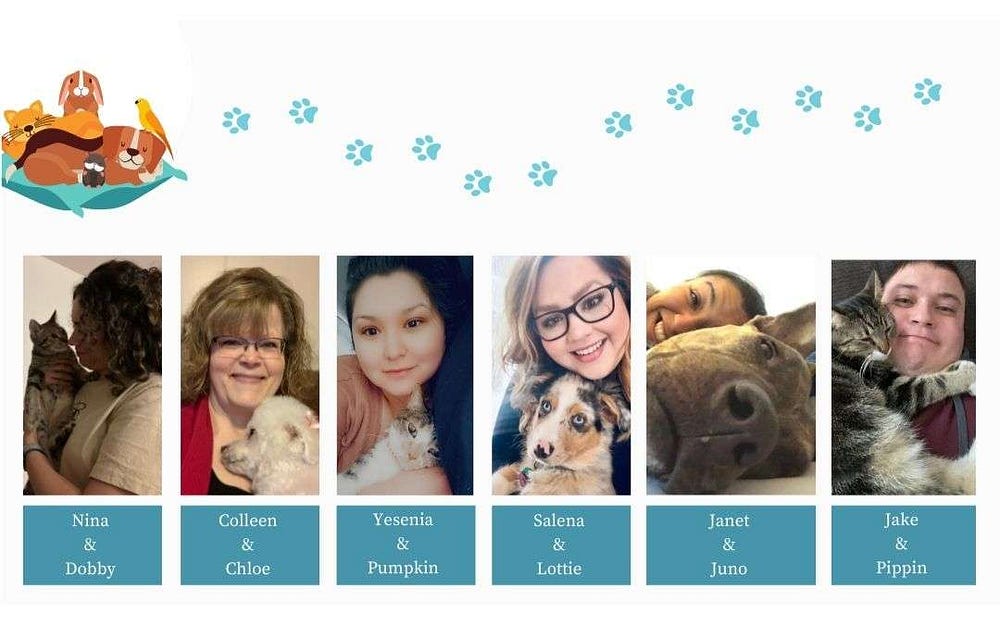
Pets offer us companionship, entertainment, learning opportunities, and physical and emotional support, having a pet is almost like free therapy itself! We at Health and Healing Therapy in Bartlett, Illinois, believe in the power of our pets so much that we decided to share them with you. Check out the above photo with our therapy and counseling staff and their furry friends.
Remember, the next time you give your furry, scaly, or hairy friend some love, be sure to give them a little extra affection as gratitude for their unwavering support.
Learn more at https://www.healthandhealingtherapy.com
Comments
Post a Comment